


Henna Botanical Experiences
Examples of henna botanicals
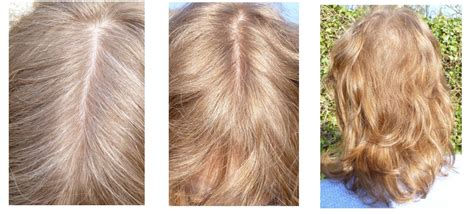
While examples of henna botanicals are challenging to capture because they are so individual to each head of hair, here are a few I captured of my own journey and a few clients willing to share. I will continue to add to this collection as I collect new pictures, but please also look to other sites for inspiration and lets have a conversation about your own unique situation!!
To book an appointment for a Complimentary Consultation, please don't hesitate to be in touch.
Jenn A Whitecloud
510 - 334 - 1685 txt or whatsApp
email: JennAWhitecloud333@gmail.com
Henna Botanical Experiences
Examples of henna botanicals
While examples of henna botanicals are challenging to capture because they are so individual to each head of hair, here are a few I captured of my own journey and a few clients willing to share. I will continue to add to this collection as I collect new pictures, but please also look to other sites for inspiration and lets have a conversation about your own unique situation!!
To book an appointment for a Complimentary Consultation, please don't hesitate to be in touch.
Jenn A Whitecloud
510 - 334 - 1685 txt or whatsApp
email: JennAWhitecloud333@gmail.com
Henna Botanical Experiences
Examples of henna botanicals
While examples of henna botanicals are challenging to capture because they are so individual to each head of hair, here are a few I captured of my own journey and a few clients willing to share. I will continue to add to this collection as I collect new pictures, but please also look to other sites for inspiration and lets have a conversation about your own unique situation!!
To book an appointment for a Complimentary Consultation, please don't hesitate to be in touch.
Jenn A Whitecloud
510 - 334 - 1685 txt or whatsApp
email: JennAWhitecloud333@gmail.com
Organic Henna
Henna Botanicals are
Healthy. Regulates the scalp and helps reverse thinning.
Nourishing. Strengthens the hair root.
Non-toxic. The only actual non-toxic hair color.
Natural. Pure organic crushed plant leaves.
Ancient. An ancient earth frequency medicine that is bio-harmonious.
Whether coming to henna for the first time or transitioning to a cleaner healthier way, I welcome you to this ancient practice of earth goodness that is harmonious with our natural bodies. Experience the feeling of healthy, strong, shiny hair while enhancing your natural color, whether you are attracted to a vibrant shade of red, toning the greys to be less prominent, or choosing a rich dark brown.
Henna botanicals give us a range of colors
Blonds: pale wheat or honey-colored blond
Reds: from copper to wine,
Browns: warm light, medium, or deep dark browns
Black: deepest warm black
Just like working with any natural plants in the garden, the Botanical colors ask us to slow down, take our time, and treasure what is organic and natural to the earth and to ourselves: peaceful steady change over quick fixes. Are you hearing the call?
Offering
35 years of Henna mastery
As one of the few pioneers of henna in the United states, I bring 35 years of practical salon experience to clients who wish to transition away from chemical color and into a more healthful, non-toxic, and natural way of coloring hair. Haircolor often the last bastion of chemical use when transitioning and often the most charged. Nevertheless, for the majority of clients it becomes a blessing and relief to find a true non-toxic, natural way. And like the rich tradition, I offer full henna services in the salon or at your home, or support for those who would love to gather their friends and do it themselves.
Pure Plants and Real Earth Medicine for Body and Soul
Henna, Indigo, Cassia, Marigold, Red Clay Ziziphus, Amla, Aloe Vera
& Lots of Love

Henna Botanical Experiences
Examples of henna botanicals
While examples of henna botanicals are challenging to capture because they are so individual to each head of hair, here are a few I captured of my own journey and a few clients willing to share. I will continue to add to this collection as I collect new pictures, but please also look to other sites for inspiration and lets have a conversation about your own unique situation!!
To book an appointment for a Complimentary Consultation, please don't hesitate to be in touch.
Jenn A Whitecloud
510 - 334 - 1685 txt or whatsApp
email: JennAWhitecloud333@gmail.com
Light Tones and Gray- Blending






Shades of Red


Shades of Brown


Henna origins and use
Henna has been used on hair for thousands of years, particularly across North Africa, the Middle East, South Asia, and parts of Southeast Asia.
Ancient origins
Henna comes from the plant Lawsonia inermis, a flowering shrub whose leaves contain lawsone, an orange-red dye molecule. People traditionally dried the leaves, ground them into powder, and mixed the powder with liquid to make a paste. Archaeological and historical evidence suggests henna was being used in ancient Egypt. Henna appears to have been used for body decoration as well as for dyeing hair, nails, hands, and feet. Some Egyptian mummies have been found with evidence of reddish coloration associated with henna.
Egypt and the ancient Mediterranean
In ancient Egypt, henna had both cosmetic and cultural significance. It was used to color hair and possibly to help condition it. Henna's association with beauty and ritual continued for centuries. From North Africa and Egypt, henna use spread and became established throughout the broader Middle East and Mediterranean regions.
Middle East and North Africa
Henna became an important part of beauty traditions in Arab, Persian, and North African societies. It was commonly used to:
-
Color gray or light hair reddish-brown
-
Give dark hair warm red or auburn highlights
-
Make hair appear fuller or glossier
-
Decorate the body during celebrations and ceremonies
Henna was also incorporated into traditional hair-care practices, sometimes mixed with other plants, oils, or herbs.
South and East Asia
Henna has a particularly long and rich history in the Indian subcontinent. It became known as mehndi when referring to its decorative use on skin, while henna was also used as a hair dye and traditional hair treatment for lice and scalp hygiene. In Ayurvedic and other traditional practices, henna was valued not only for its color but also for its perceived cooling and conditioning properties. Hair applications could be combined with ingredients such as Amla, Shikakai, Indigo, or various oils and herbs, depending on the desired result.
Europe
Trade Routes, spread through Ottoman and Mediterranean networks into Europe. England, Victorian and Aesthetic circles popularized henna-red hair. France, especially Paris, salons used henna and also commercialized henna-based dyes, becoming a bridge to the US market. Italy, henna products were available, but with less documentation of salons using it. Spain, a much older medieval connection through Al-Andalus, mostly separate from later Victorian fashion trends.
Henna in the USA
By the early 20th century, French-made henna dyes were imported and advertised in a handful of American salons and barbershops. Services like henna tinting and henna rinses appeared alongside chemical dyes, though they never became a standard cosmetology school subject. Lucille Ball's hair was one such famous example in the 1940's. With the professionalization of cosmetology in the mid 1960's, chemical color became the standard taught in schools while plant-based methods or home remedies were totally excluded. Hairdressers were not trained in these alternative methods, leaving no true plant-based choices for clients and spreading fear and misconception about henna use.
Henna as transparent color
Henna works differently from oxidative chemical dyes. Instead of changing the hair's internal structure by bleaching or lightening and deteriorating the hair shaft, the Lawsone molecule in henna penetrates the hair and binds with keratin, creating a permanent stain within the hair fiber. This can increase the actual thickness of the strand and give the hair a characteristic shine that reflects the light beautifully. While the henna process does not compromise the structure of the hair, it also does not moisturize the hair. Additional conditioning should be included as part of any color regimen.
While henna itself is an orange shade of varying degrees, henna can be combined with other botanicals to achieve subtle to vibrant tones that range from pale gold all the way to a deep warm black depending on the base color. The most profound difference between chemical coloring and henna is that henna is a transparent color while permanent chemical color is opaque. The opaque dyes reduces natural variation by dying all strands the same color, but Henna is a transparent color and relies heavily on the under color to retain natural variation. Its very similar to the difference in painting with water colors and oil paints and so requires some good conversation to determine if henna color is a fit.